Your Freight, Our Full Commitment

Transparent communication, dependable carriers, and seamless delivery

We help shippers move freight safely, efficiently, and on time. From booking to delivery, our dedicated team ensures peace of mind and performance you can count on.

Full Truckload (FTL) shipping

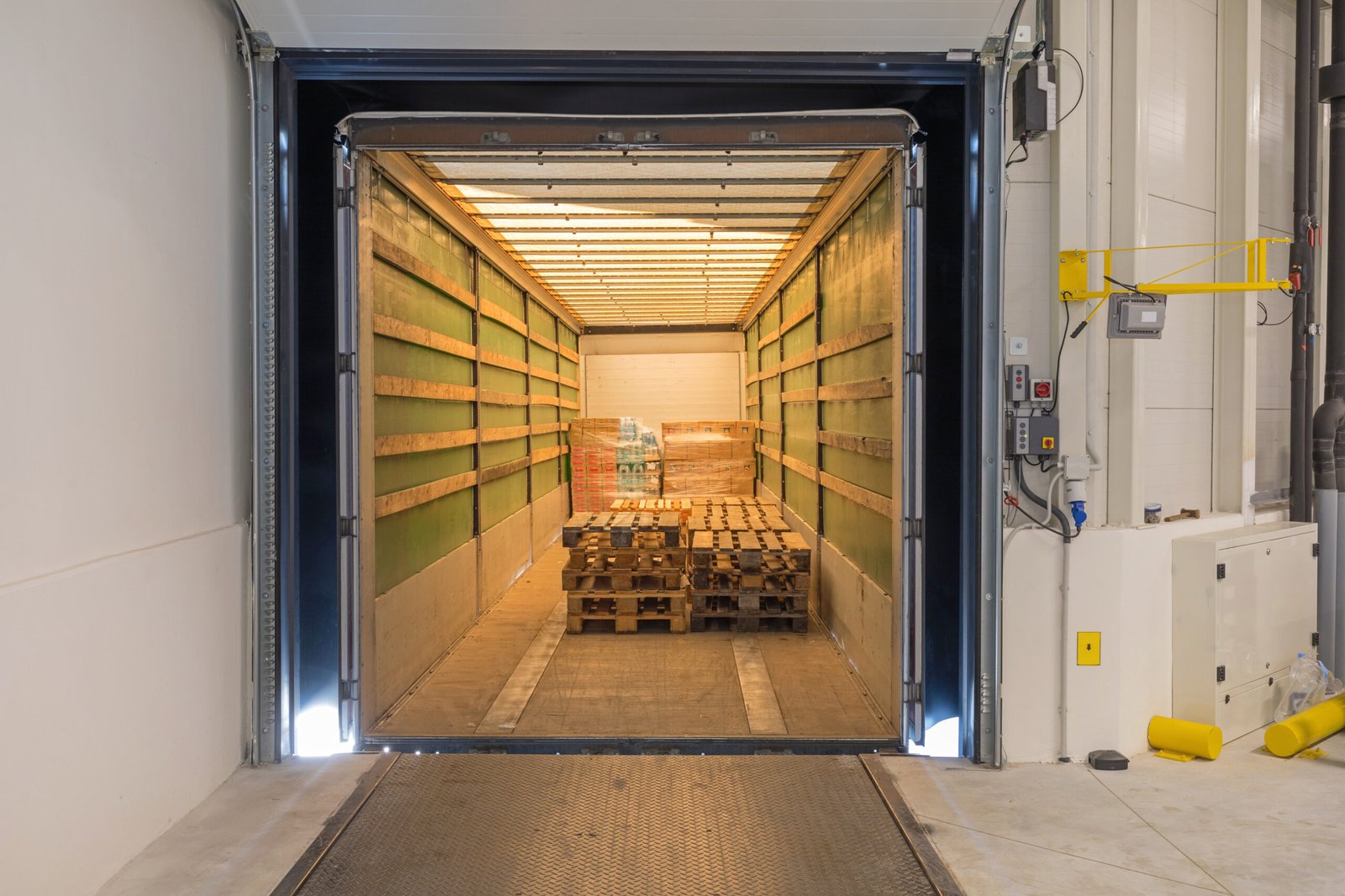
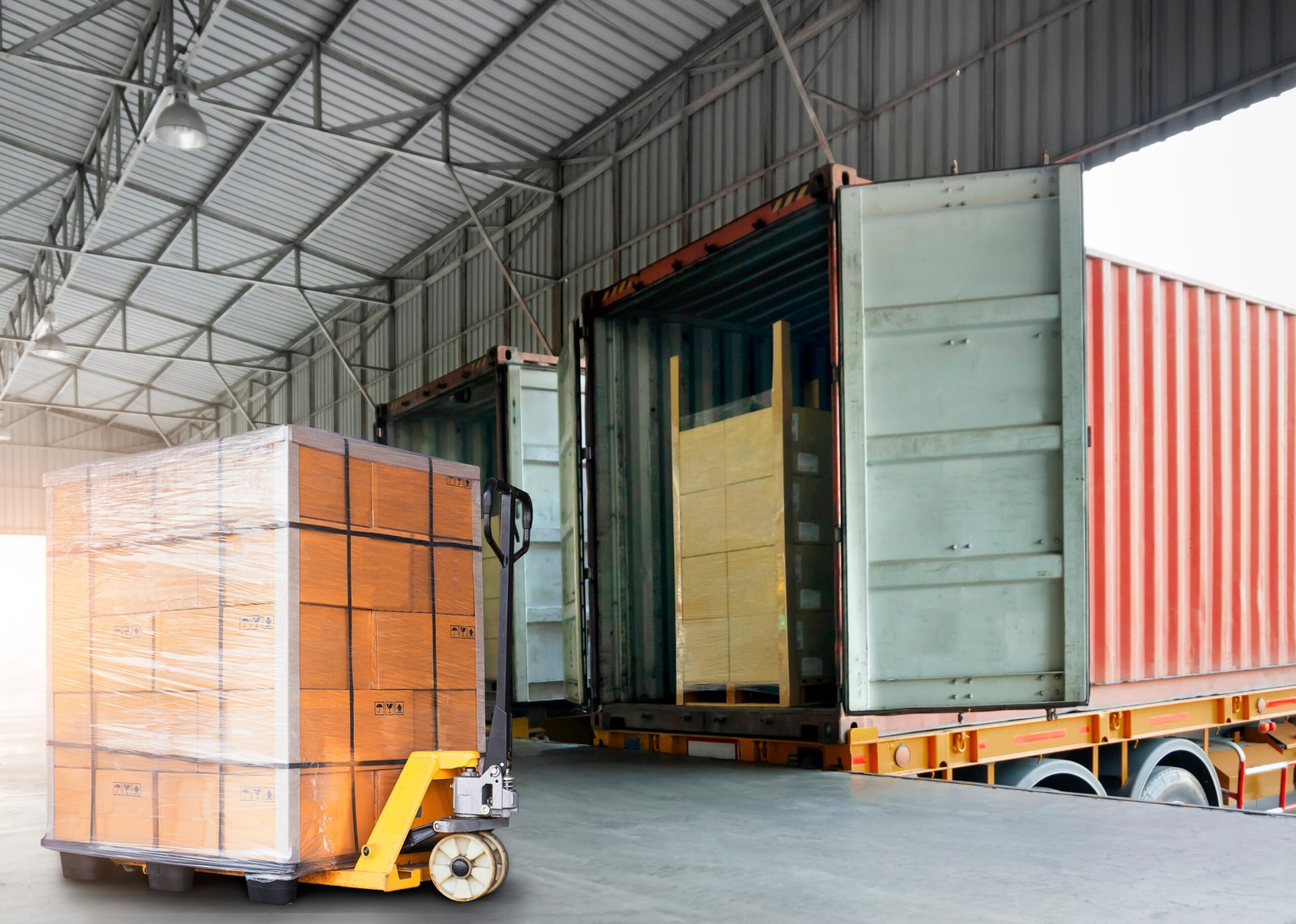
When your shipment requires a dedicated trailer, our Full Truckload (FTL) services deliver the reliability, efficiency, and attention to detail your business deserves. Whether transporting regionally or coast-to-coast, we partner exclusively with vetted carriers to move your freight safely, directly, and on schedule — with no shared space or unnecessary handling. Ideal for: high-volume, sensitive, and time-critical shipments.

Less Than Truckload (LTL) shipping

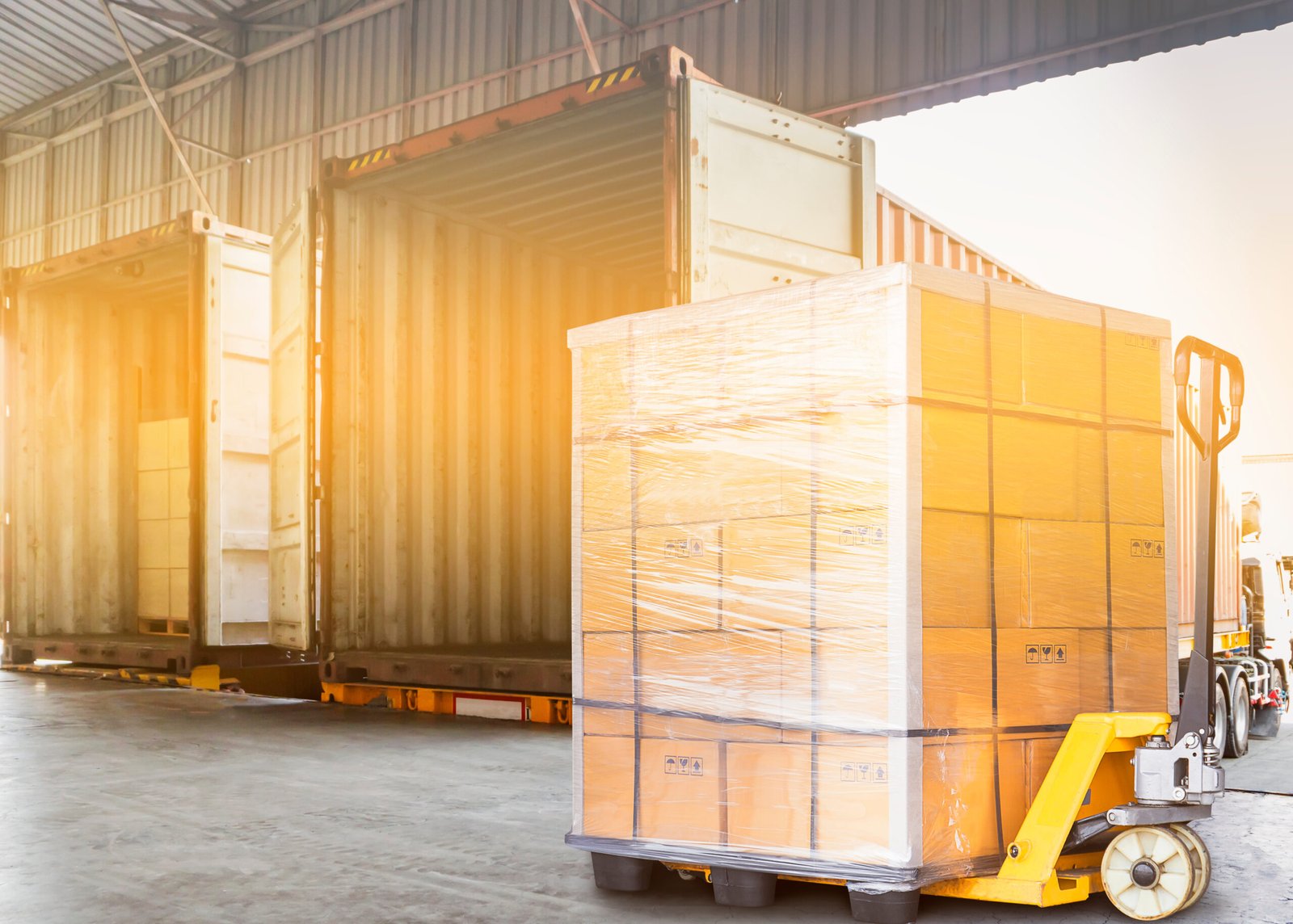
Our Less Than Truckload (LTL) shipping services are designed for businesses that need flexibility without sacrificing reliability. We carefully consolidate smaller shipments from multiple clients, helping reduce transportation costs while maintaining complete visibility, timely tracking updates, and exceptional care for your freight. Ideal for: smaller shipments that don’t require a full trailer, cost-conscious logistics needs, and flexible scheduling.

Ship With Confidence

55+

Years of trucking family tradition & experience.

100%

Commitment to integrity in every single delivery.

48

States of nationwide freight coverage and reliability.

Expedited freight services

When every minute counts, our Expedited Freight Services keep your business moving at full speed. We offer fast, dedicated transportation options designed to meet the most demanding deadlines, ensuring your shipment arrives safely and exactly when it’s needed — with no delays, excuses, or compromises. Ideal for: urgent deliveries, production line parts, medical equipment, and other high-priority freight.​

Power-only loads

With our Power-Only Loads services, we provide the truck, driver, and expertise to move your pre-loaded or leased trailers wherever they need to go. This flexible, cost-effective solution helps companies maximize existing trailer assets, minimize downtime, and maintain consistent operations — even during peak demand. Ideal for: drop-and-hook operations, seasonal freight surges, and dedicated lane opportunities.

Our Amazing Shipping Partners:

Flatbed transportation

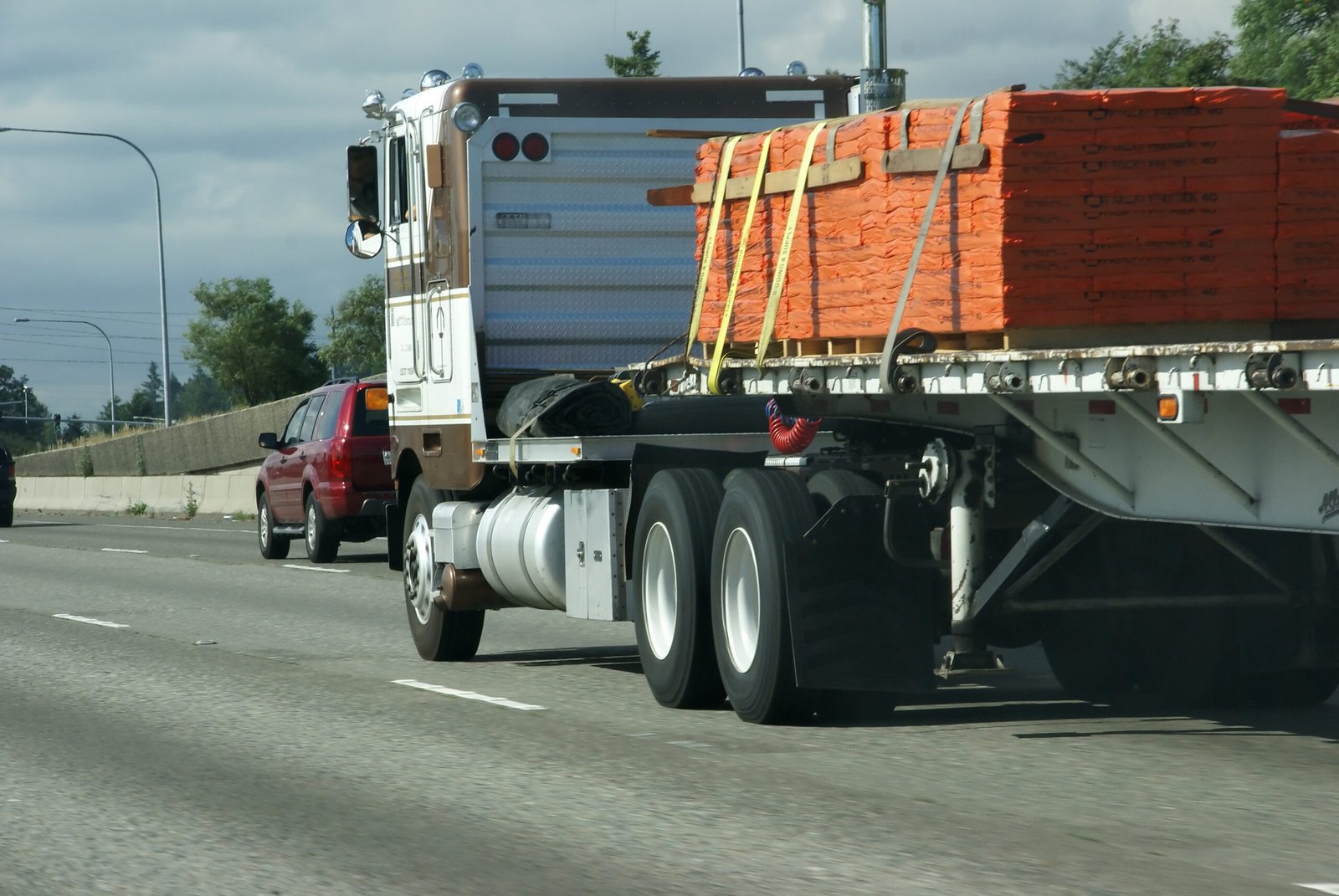
Our Flatbed solutions handle the heavy, oversized, or irregular freight that traditional trailers can’t accommodate. From construction materials to machinery and equipment, our experienced carrier network ensures your freight is properly secured, protected, and delivered safely. Ideal for: Industrial equipment, building materials, and large machinery.​

Drop trailer service (coming soon)

We’re expanding our logistics capabilities with Drop Trailer Services — offering shippers the flexibility to load and unload on their own schedule. This upcoming service will streamline operations, reduce wait times, and provide even greater efficiency for high-volume customers. Ideal for: Warehouses, manufacturers, and distribution centers needing flexible load/unload times.

Frequently Asked Shipper Questions

When it comes to shipping with Carolina Cargo Solutions, LLC. you have questions, we have answers.

Yes. Full truckload (FTL) shipping generally costs more in total than less than truckload (LTL), because with FTL you pay for the exclusive use of an entire truck (regardless of how full it is.

By contrast, LTL is usually cheaper for small loads since you share trailer space and costs with other shippers. However, if you have enough freight to fill a whole trailer, FTL can become more cost effective per unit and offers faster, direct delivery (no multiple stops), whereas LTL remains the budget-friendly choice for limited freight volumes.

A shipment is considered a full truckload when it’s large enough to occupy most or all of a standard 48–53′ trailer. In practice, this typically means around or above 10,000 pounds of freight or anything more than roughly half the trailer’s capacity.

For example, a 53-foot van can fit roughly 24 to 30 standard pallets (single-stacked) or up to ~43,000 lbs. of goods. A load approaching those limits would qualify as a full truckload shipment. In short, if your freight won’t comfortably share space with other shipments and nearly fills a trailer on its own, it’s considered a full truckload shipment.

A standard full truckload can carry about 26 pallets (single-stacked) in a 53′ trailer (or up to ~52 double-stacked, depending on weight and stacking ability). In general, if you have more than 10–12 pallets, your shipment is usually considered FTL rather than LTL.

Many shippers use 12 pallets (or roughly 15,000 lbs.) as a rule of thumb—above that, a dedicated full truck is often the most efficient option. In summary, while a full truckload can max out at around 24–30 pallets (depending on configuration), anything over roughly a dozen pallets is typically treated as a full truckload shipment.

The two primary types of truckload carriers are for-hire carriers and contract carriers. For-hire carriers, also called common carriers, offer their trucking services to the general public and haul freight for any shipper (often at published or market rates). In contrast, contract carriers dedicate capacity to specific shippers via agreements—they haul exclusively for those clients under contract terms, usually with negotiated rates and service commitments. For shippers, this means you can either use a for-hire carrier (any available trucking company on a per-load basis) or work with a contract carrier that is committed to your freight under a longer-term arrangement.

Freight brokers and third party logistics providers (3PL) offer the valuable advantage of helping you hire either type of carrier—or both—depending on your needs, opening up a wider range of capacity options to suit your shipment requirements.

For carriers (truck owners or operators) looking to find freight, the main ways to “get loads” for trucks include:

  • Using load boards
  • Working with freight brokers
  • Arranging direct shipper contracts

Load boards are online marketplaces where shippers post available loads and carriers can bid or claim them. Load boards effectively connect trucks with freight that needs hauling. Many owner-operators also work with freight brokers or 3PLs to find freight. Brokers act as intermediaries between shippers and carriers, matching trucks with loads that fit the route and equipment. Finally, establishing direct relationships with shippers (or dedicated contracts) can provide a steady flow of private loads.

If you’re a shipper trying to secure a truck for your loads, you essentially do the inverse; you can post your freight on load boards or work with a broker/3PL that has a large network of carriers. This ensures reliable trucks are assigned to your shipment without having to search one-by-one.

In summary, carriers find loads via boards, brokers, or contracts, and shippers find trucks by connecting through those same channels (with 3PLs like Carolina Cargo Solutions, LLC. making the process much easier).
Your Freight, Our Full Commitment​

Get Competitive Freight Rates in 24 Hours

From booking to delivery, our dedicated team ensures peace of mind and performance you can count on.

No Obligation Quote
Response Within 24 Hours
100+ Satisfied Shippers Nationwide
Carolina Cargo Solutions, LLC.

Fast, Reliable, Relationship-Focused Freight Solutions

10130 Perimeter Parkway
Suite 200
Charlotte, NC 28216

Connect With Us
Join Our Mailing List
Scroll to Top